
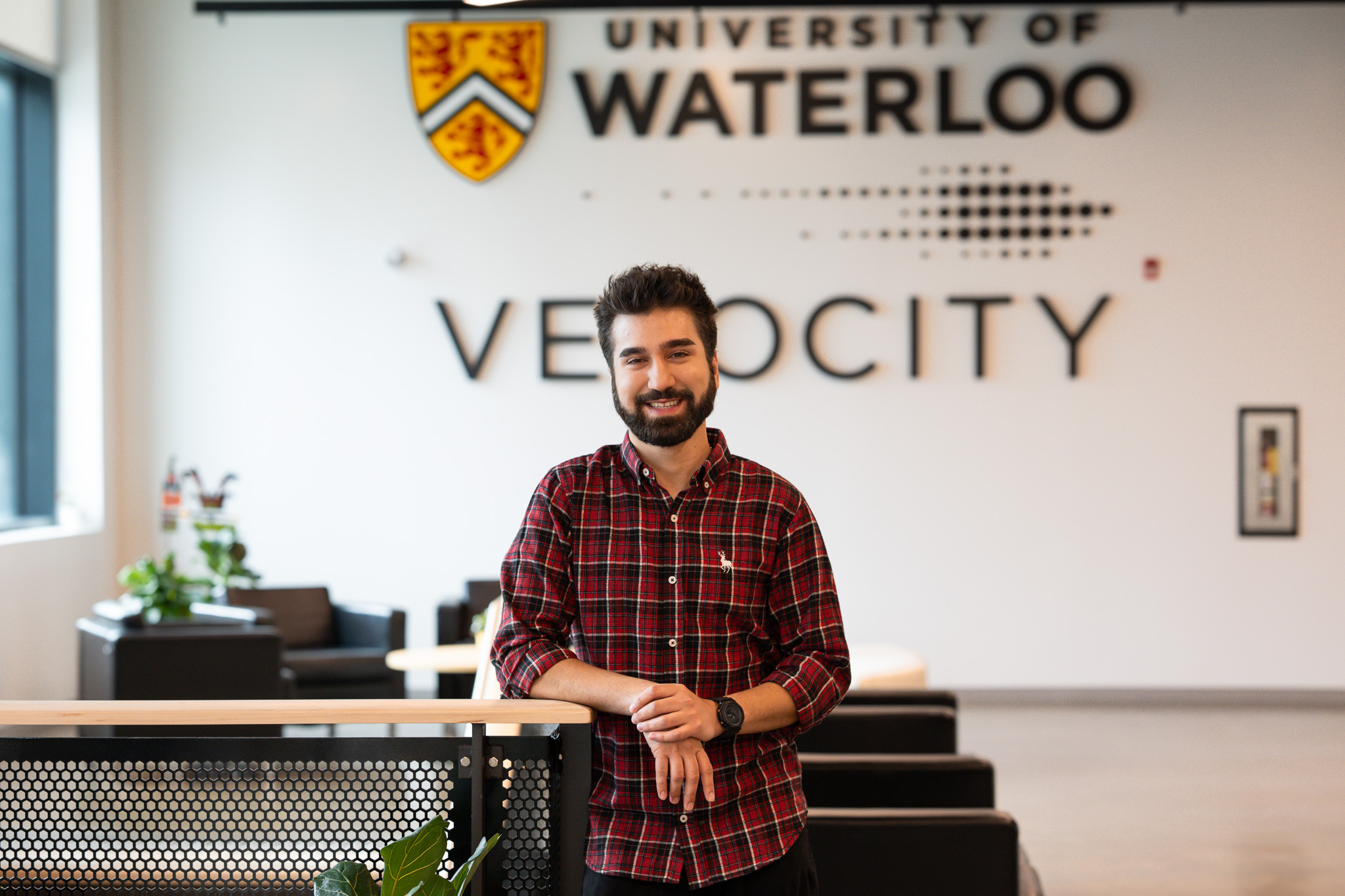
Everkind Wellness, a Toronto-listed emotional self-care platform, has acquired Razroze, the Canadian health-technology company behind Doro. Founded by a University of Waterloo alum with a background in psychology and computer science, Razroze brings conversational AI models, clinical safety frameworks and academic research partnerships under the Everkind umbrella.
Everkind is a public company built to offer effective digital mental health support internationally and at scale. It has already supported hundreds of thousands of users and is collaborating with CanPR, Brampton Fire and Emergency Services, and Connected Care.
Behind the deal is a student who arrived at Waterloo from Iran with a drive to build and little else. Rastin Rassoli (BCS ‘26), co-founder of Doro, had never had the chance or the community to build back home. So, when he landed on campus, he went looking for it. He got involved in Velocity programming and attended every event and competition he could. After internships at Microsoft and other tech companies, including a final one at a mental health startup, he knew he wanted to start his own company.
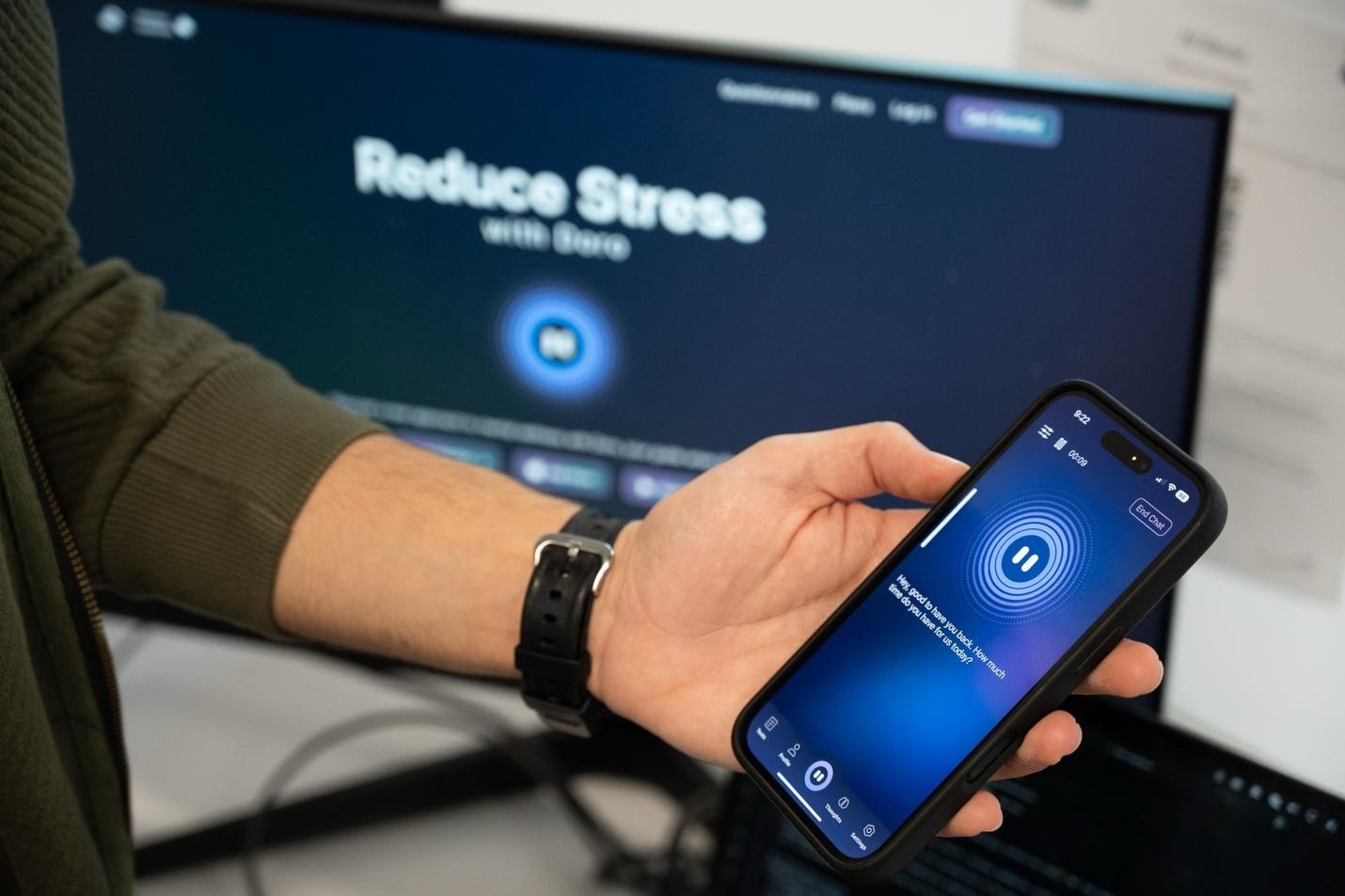
His path to Doro was personal. Rassoli studied psychology alongside computer science, driven by an interest in social psychology, how the brain works and his own experience with autism. When large language models arrived, he saw AI-supported therapy coming. In his second year, he and his brother, Ramtin Rassoli, started Doro.
Support came early. Doro won the Math Innovation Pitch Competition, the Velocity pitch competition, and Up Start, which together brought in more than $30,000 in funding. Velocity mentors helped Rassoli learn how to be a founder, a steep climb for an international student navigating North American entrepreneurship for the first time. Dr. Goldi Gill at Campus Wellness believed in the work early, and Doro partnered with Campus Wellness to offer free access to Waterloo students.
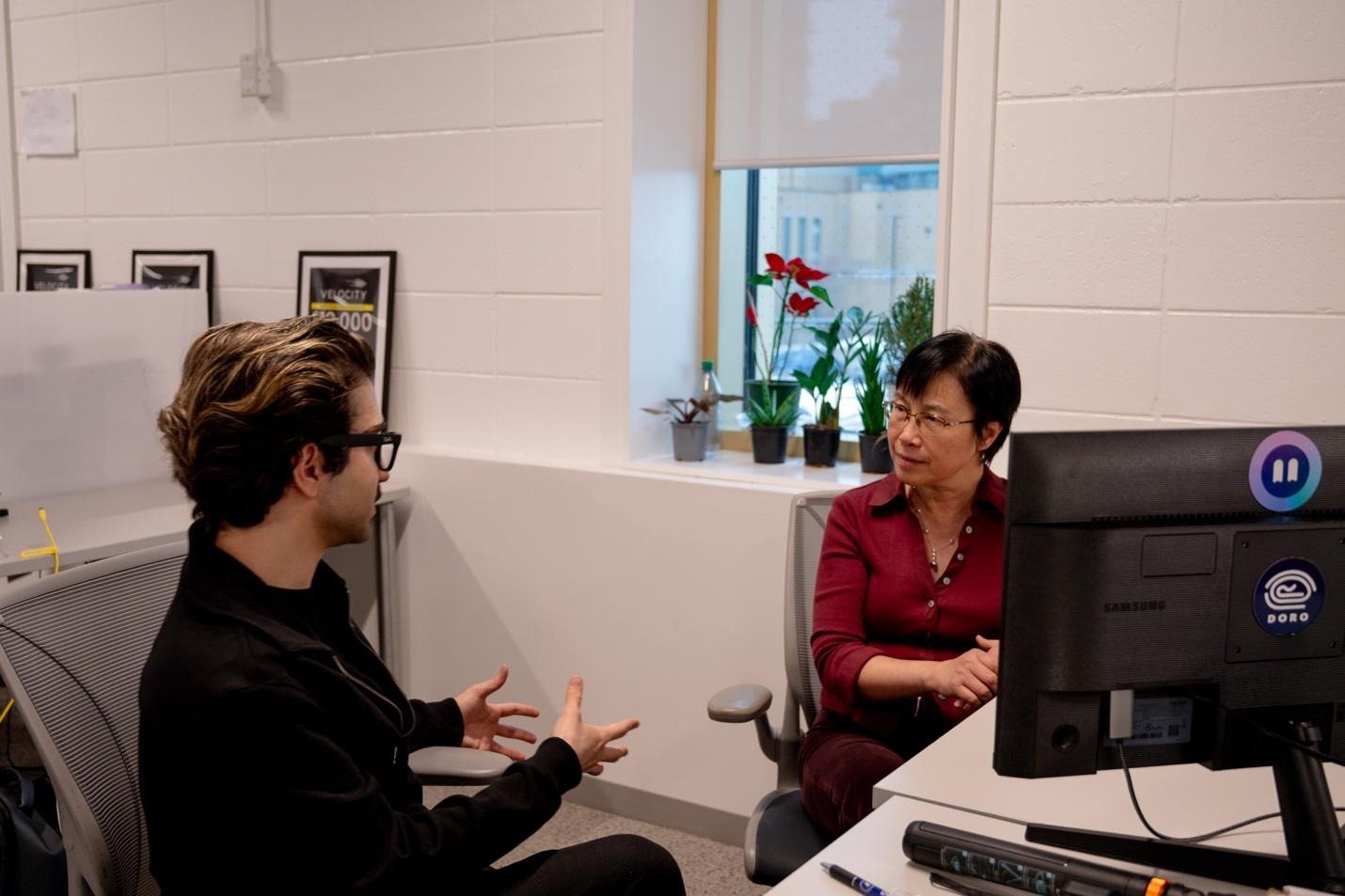
Doro then joined the Velocity incubator, beginning with a fast-paced three-month program that showed the team the true pressure of founder life. Guidance from Velocity Business Advisors sharpened the team’s pace and judgment, and helped them strategize how to bring in advisors and grants.
That strategy paid off. Doro welcomed Dr. Helen Chen, a professor and Director of the Professional Practice Centre in Health Systems at Waterloo, and Dr. Brian Mainland, CEO of the Waterloo Psychology Group, as its first strategic advisors. They helped the team open doors to hospitals and secure more than $200,000 in government funding.
“It was a completely transformational experience for us and made us 10x faster and smarter. Without Velocity and Waterloo, there would be no Doro. I was an international student with no connections and no real understanding of how entrepreneurship works in North America, and within just two years Waterloo taught me so much that I sold a business.” - Rastin Rassoli (BCS ‘26), co-founder of Doro.
Six months later, bootstrapped and backed by Waterloo and Velocity, Doro had built enough value that Everkind made an offer. Rassoli weighed it carefully. In the end, he saw a well-funded, well-connected team with the same vision, and a chance to pass Doro to people who could grow it into an international asset.
The acquisition also expands Everkind’s research footprint. It brings an approved $240,000 Mitacs Accelerate project with the University of Waterloo, supervised by Chen, and a $170,000 Mitacs Accelerate Global Excellence study with the Centre for Addiction and Mental Health and the University of Toronto, led by Dr. Gillian Strudwick. Everkind also plans to apply learnings from Doro’s proprietary SPARA (Safety Psychology Assessment and Risk Analysis) model, its clinical technique prompt databases and its multi-agent conversational guardrails to its core platform.
For Rassoli, the shared vision made the decision clear. “Doro has always been about making Canada’s mental health system less spiky, turning weekly therapy sessions and hospital services, which are all very spiky and not ongoing, into smooth, ongoing support at every level of mental health challenges,” he says. “I clearly see Everkind as the launch boost for Doro.”
Rassoli built Doro from the difficulties he saw up close, and he intends to see that no one else has to face them alone.