
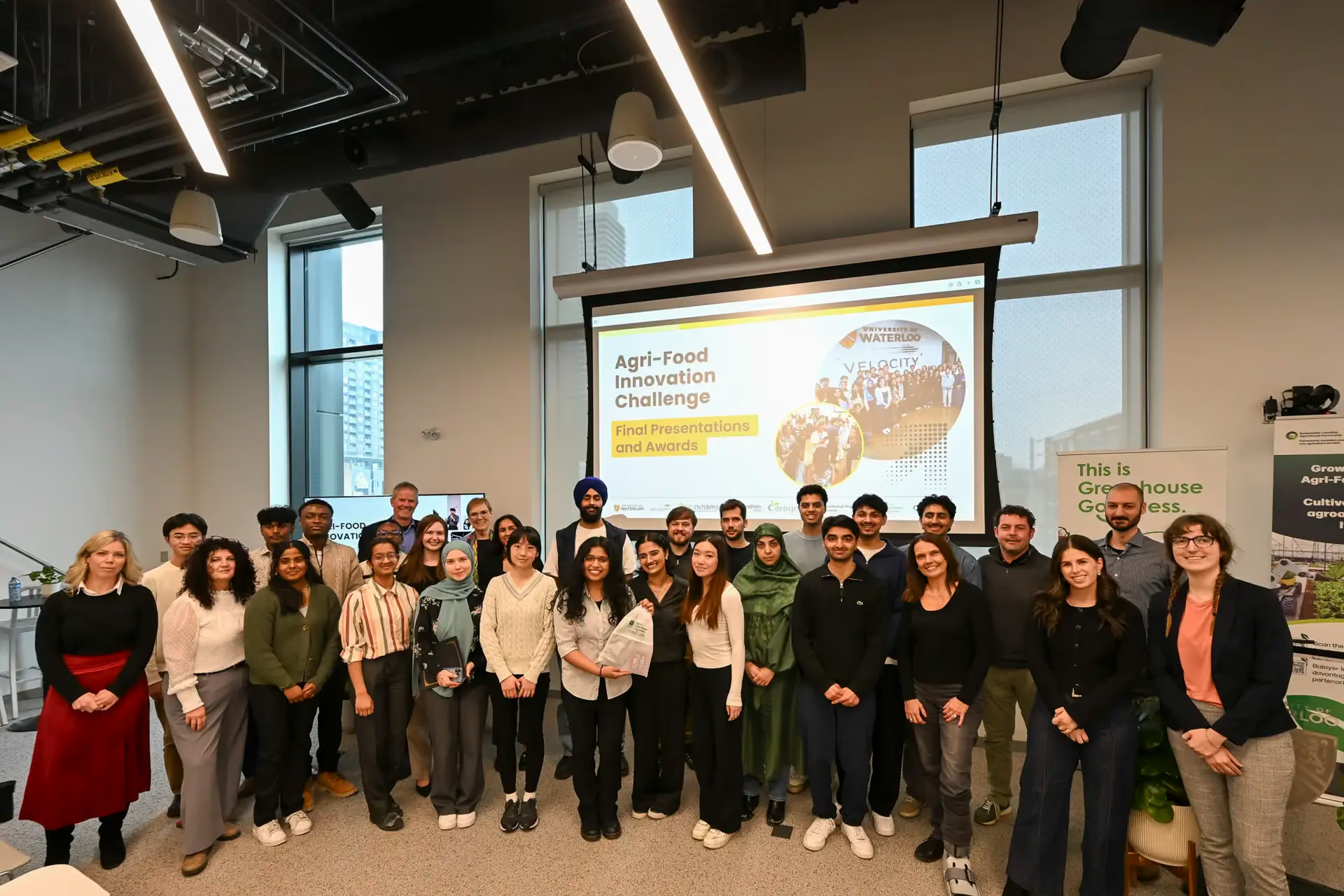
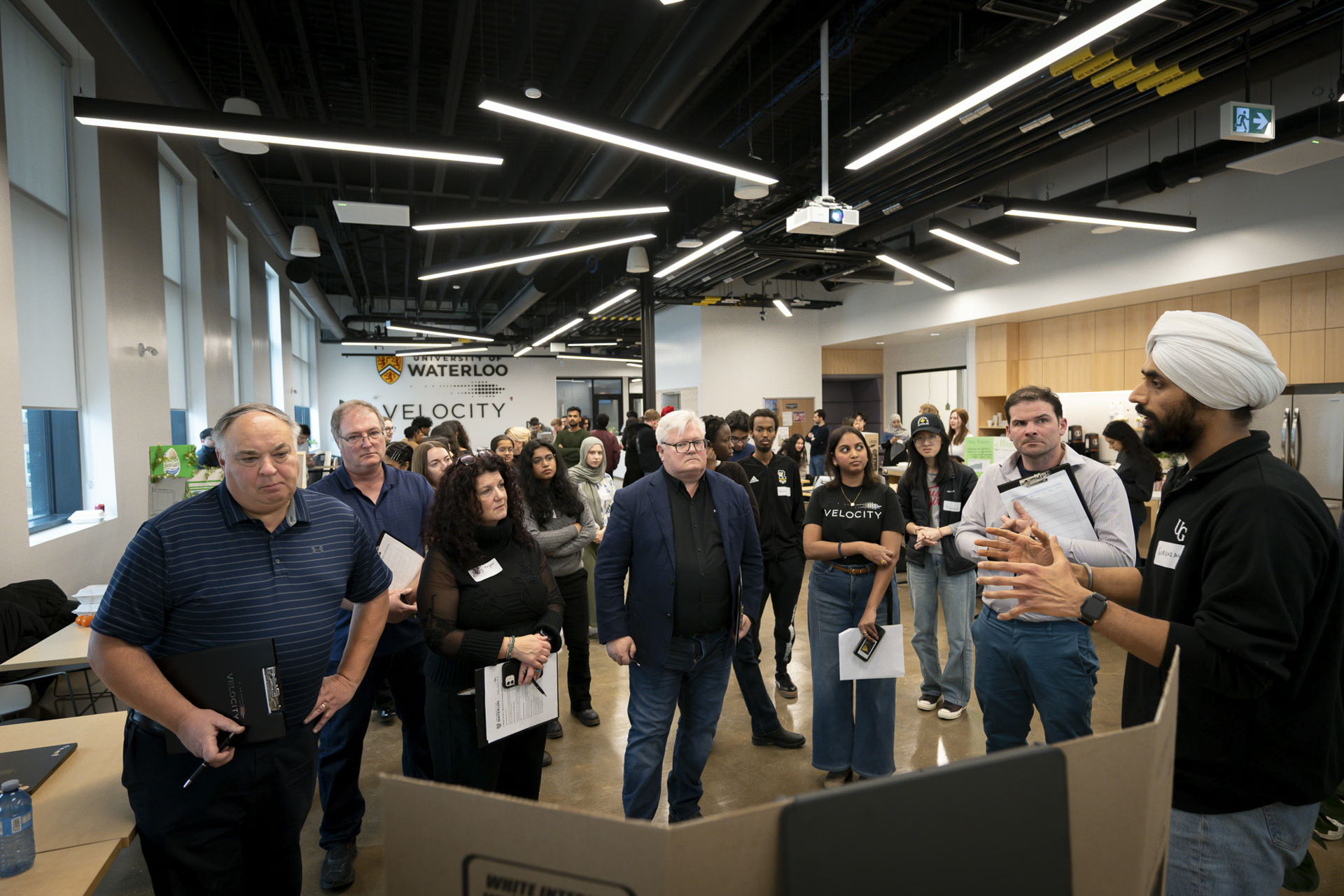
University of Waterloo students innovated in a new space this term, participating in the inaugural Agri-Food Innovation Challenge.
Produced by Velocity with support from Ontario Greenhouse Vegetable Growers (OGVG), Ontario Ministry of Agriculture, Food and Agribusiness (OMAFA), Bioenterprise, Cooperathon powered by Desjardins, Ceragen and Intellectual Property Ontario (IPON), the two-week challenge provided an opportunity for students from all faculties to ideate and build out solutions across greenhouses, outdoor horticulture and field crops.
At the kick-off event, fewer than 5% of the 90 participating students indicated having any prior connection with farming. After completing the challenge, many more noted they will now pursue co-op jobs and other future opportunities in Canadian agri-food. They’d be choosing a growing field that is ripe for innovation, according to 2024 statistics from the Government of Canada, the agriculture and agri-food system employed 2.3 million people that year and generated $149.2 billion or about 7% of Canada’s gross domestic product.
“Before the challenge I wasn't aware that agriculture was an industry I could go into with my engineering degree,” Nina Mathew (BASc ‘29), a member of winning team BloomGuard shared. “The challenge showed me that this is a field where I can apply my skills. I now want to explore more opportunities and learning experiences in this space. The Agri-Food Innovation Challenge helped me better understand the value of my experience at UWaterloo beyond the classroom. It changed how I viewed opportunities at the university. I thought many opportunities were focused on coding or software, which is not my skillset yet. This experience showed me that there are also research and science-based opportunities that fit me better, and it motivated me to explore programs like Velocity.”
Sponsors were impressed by the level of interest students came into the challenge with and left with new skills because of it. “I was impressed by the student’s interest in learning more about agriculture and reaching out to farmers and expanding their perspectives,” Carla Berquo, manager of Canada’s food and agri-tech engine, at sponsor Bioenterprise says. “It felt like they found a new pot of gold at the end of the rainbow realizing they could potentially use their skills in agri-food.”
Daniel Terlizzese, research, innovation and plant protection lead at challenge sponsor, Ontario Greenhouse Vegetable Growers (OGVG), added he was impressed by the speed at which UWaterloo students went from hearing the problem space definitions to creating thoughtful solutions. “I was particularly impressed by the interdisciplinary nature of the solutions,” he says. “Many students came from non-agricultural backgrounds, yet they applied skills in engineering, computer vision, and software development in highly relevant ways. Their ability to ask the right questions, engage with industry mentors, and iterate quickly demonstrated both curiosity and a strong capacity for innovation.”
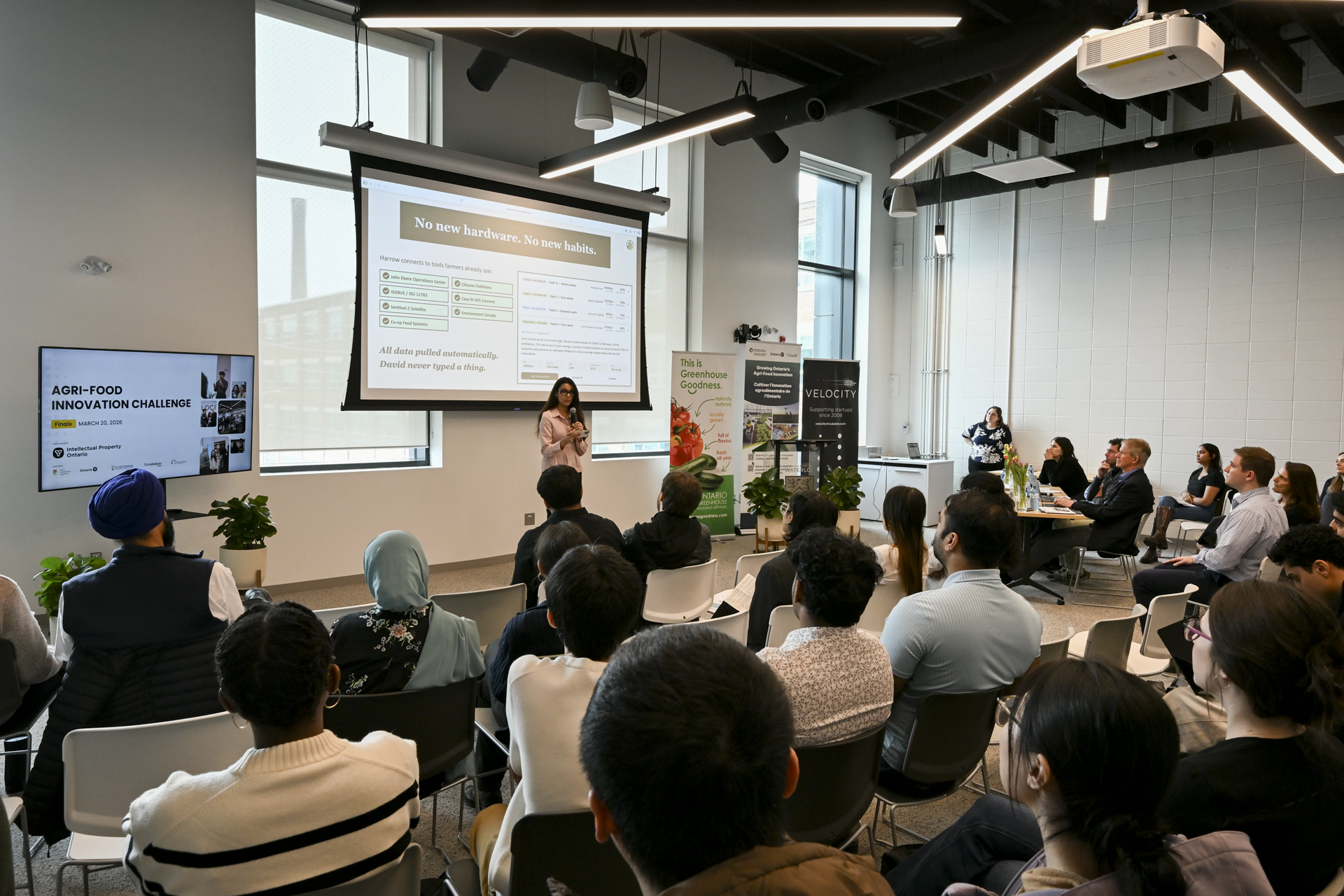
Terlizzese says the challenge was a success in getting new students introduced to and interested in agriculture. “Many of the students I spoke with had limited prior exposure to agriculture, particularly controlled environment agriculture, before participating in the challenge,” he says. “What was especially encouraging was seeing that shift in perception. Students began to recognize the sector not just as agriculture, but as a space rich with opportunities for innovation in AI, automation, data science, and engineering. Several students expressed a genuine interest in staying connected to the sector. That kind of engagement is exactly what initiatives like this are designed to foster, and it speaks to the value of creating meaningful touchpoints between industry and emerging talent.”
The winning teams and their solutions were:
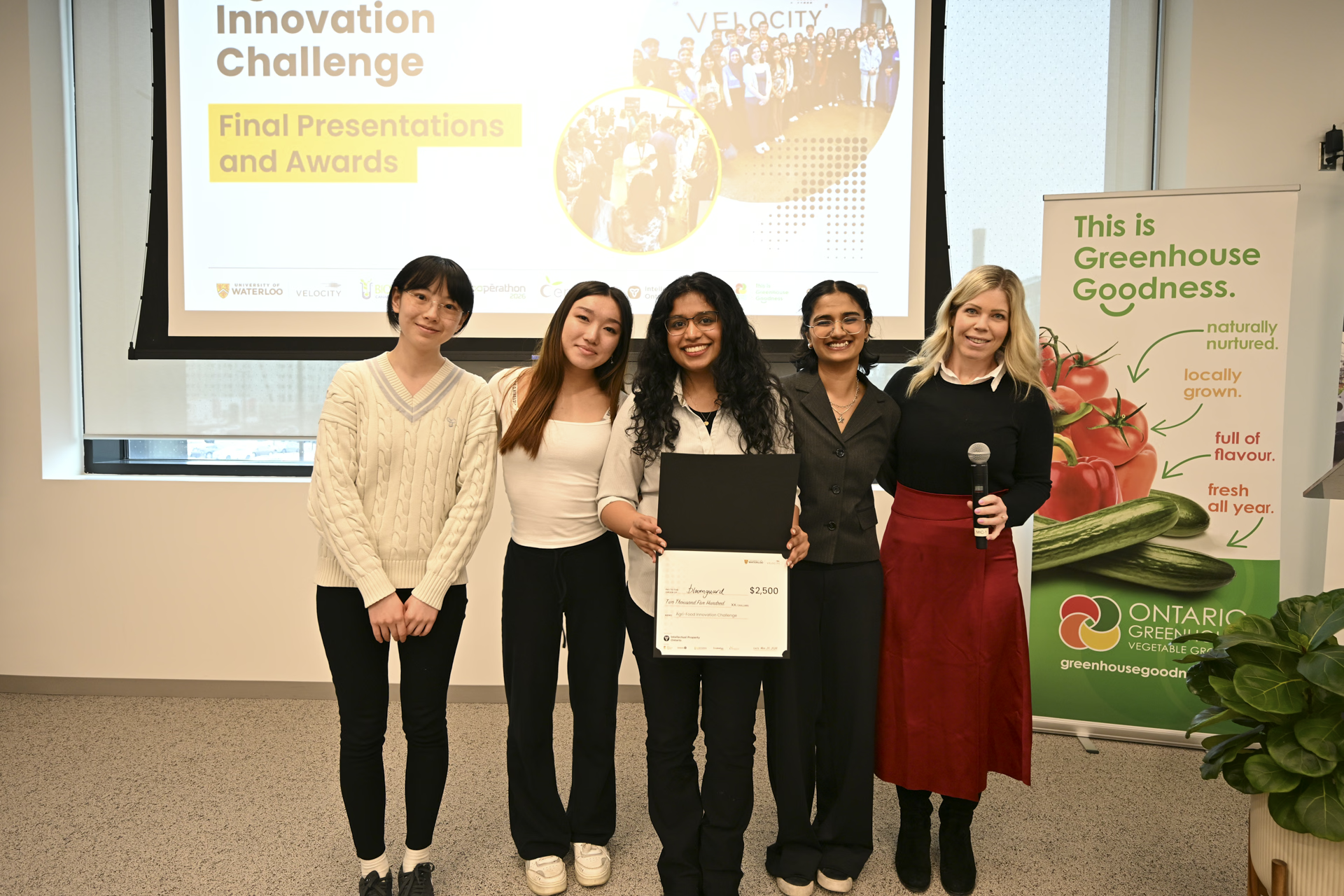
BloomGuard: A customizable, CNC-based spring bud protection spray that integrates with existing orchard systems to prevent frost damage. Team members: Lily Yandeng, Karan Bajwa, Xinyi Nie, and Nina Mathew.
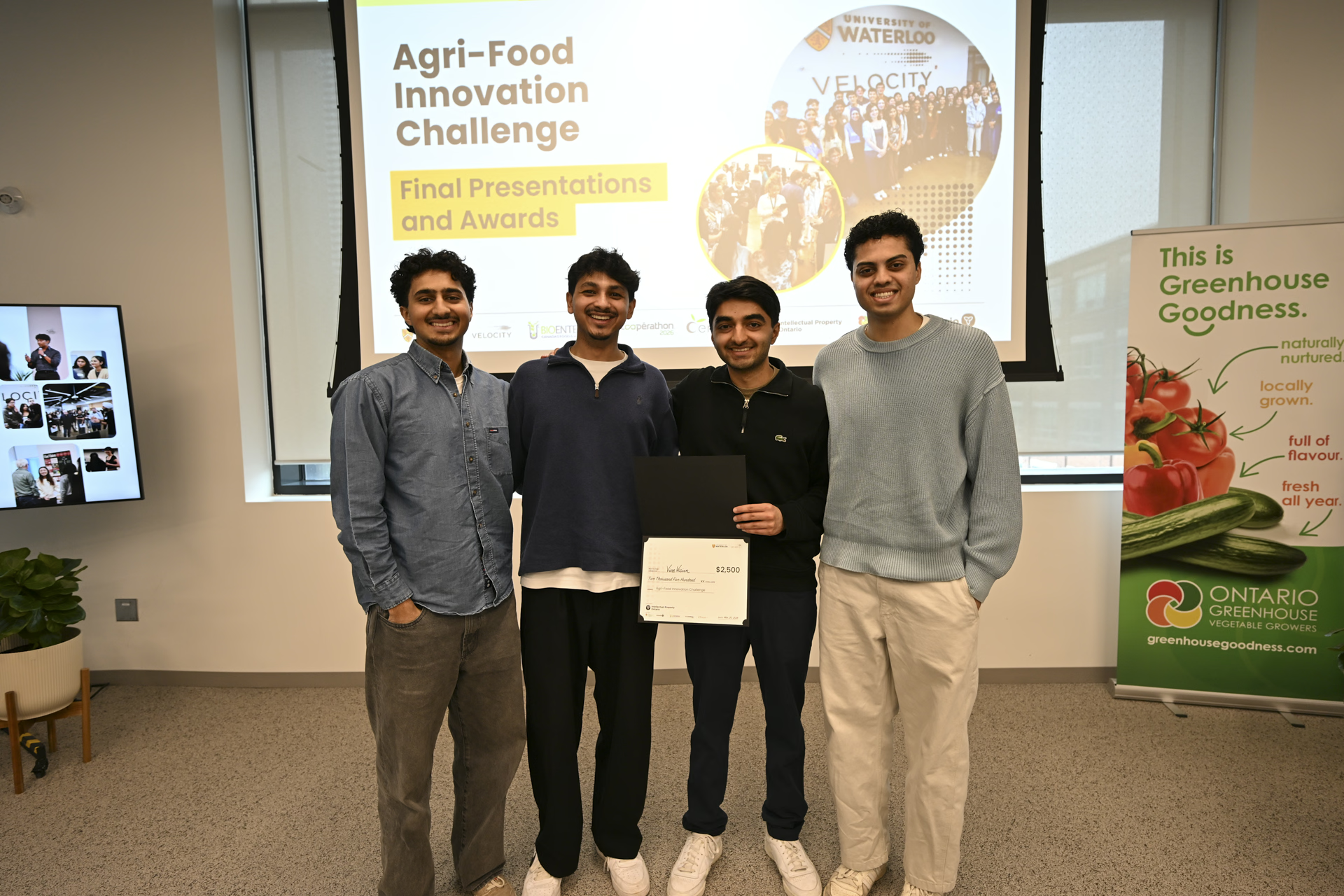
VineVision: A scissor lift-mounted camera system using computer vision to automatically count and classify tomato flowers and fruit, delivering real-time yield predictions. Team members: Yousuf Islam, Ayush Shah and Deen Parak.
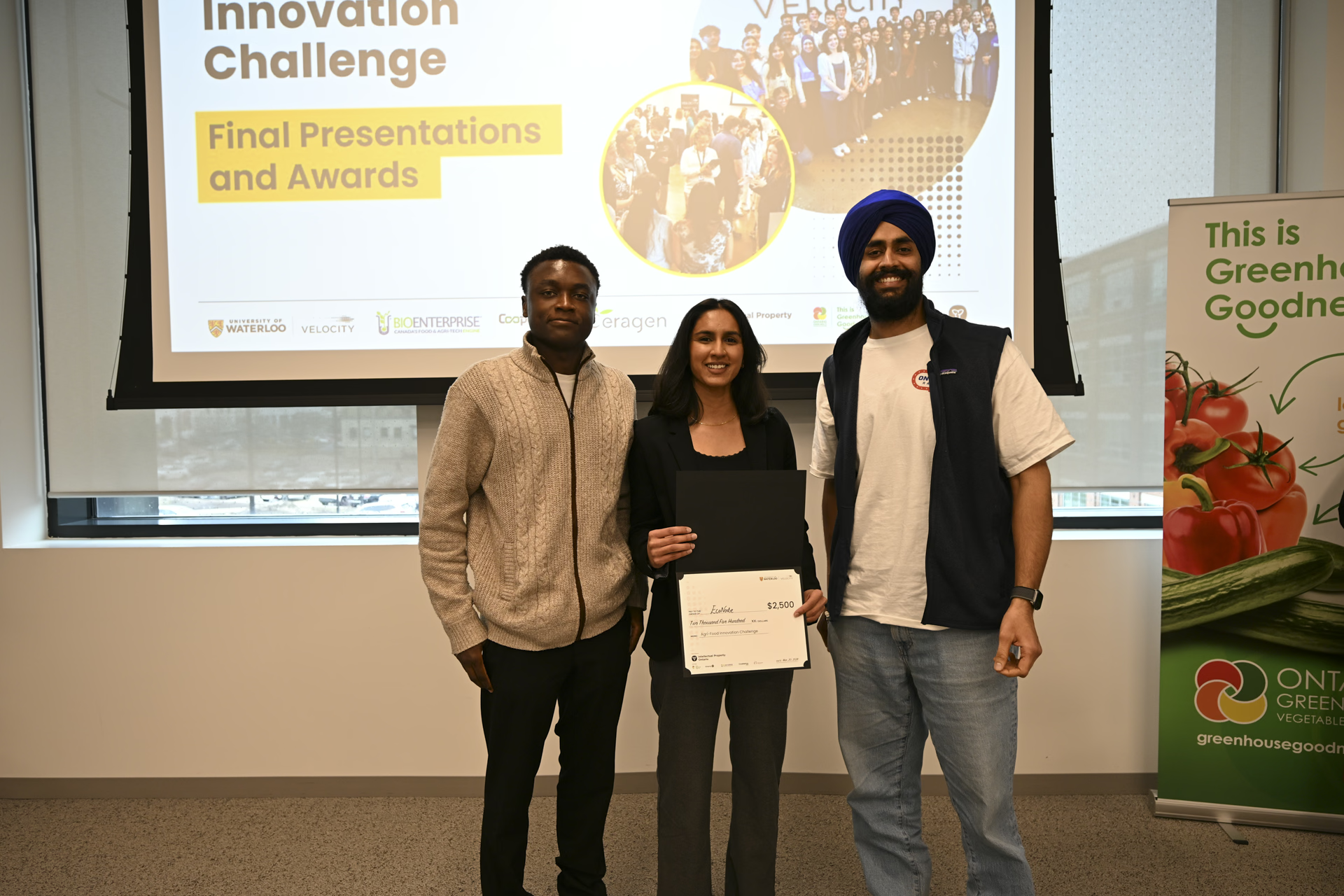
EcoNode: AR-powered glasses that guide apple tree pruning, reducing decision time, speeding up training, and improving precision to boost yield. Team members: Sheldon Mbuh, Harkamal Bhamra and Gursimran Chadha.
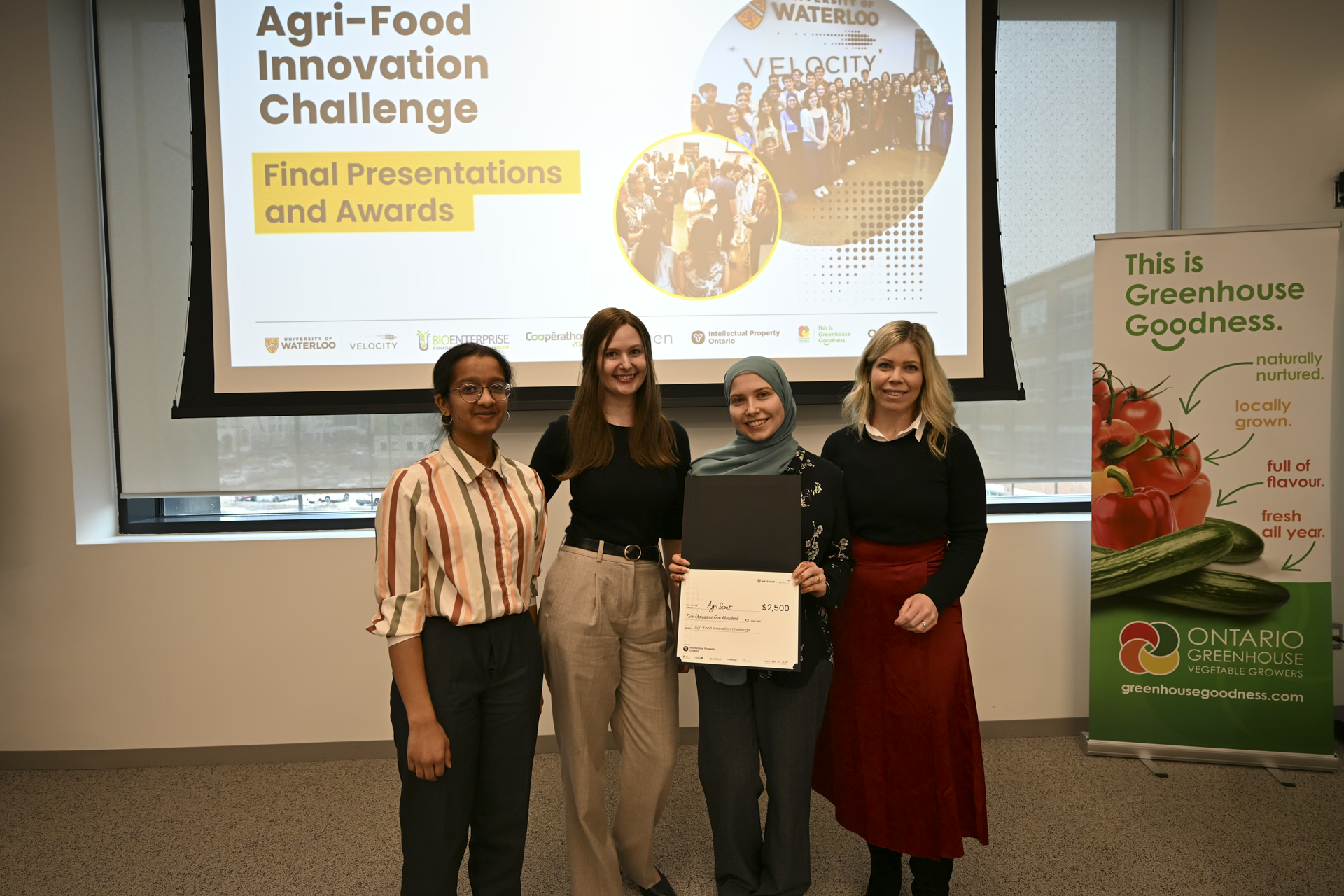
AgriScout: Uses machine vision, AI, and autonomous scouting to provide real-time, predictive pest insights for precise, proactive pest management. Team members: Ashley Juraschka, Joanna Rywak and Yoghashri Karrikeyan.