

A satellite in low Earth orbit crosses the sky at 7.5 kilometres per second. Every device that depends on it, a soldier's radio, an Arctic sensor, a drone beyond the line of sight, must at some point hand its connection from one node to the next: tower to satellite, satellite to satellite, satellite back to tower. The industry's answer has been better prediction: know earlier that a handover is coming. Sanal Kamal's insight is that prediction is the easy half. The real failure lives in the roughly 300 milliseconds after the decision is made, when terrestrial and satellite systems argue across protocol boundaries about how to execute it. That argument is where sessions die. Photon-IV was built to own it.
Kamal, founder and CEO of Photon-IV, spent more than a decade inside systems that fly, communicate, and are not allowed to fail. At L3Harris, Honeywell, and MDA Space, he moved across semiconductors, photonics, space, and defence. The gaps he kept seeing were not failures of ambition. They were failures of connection.
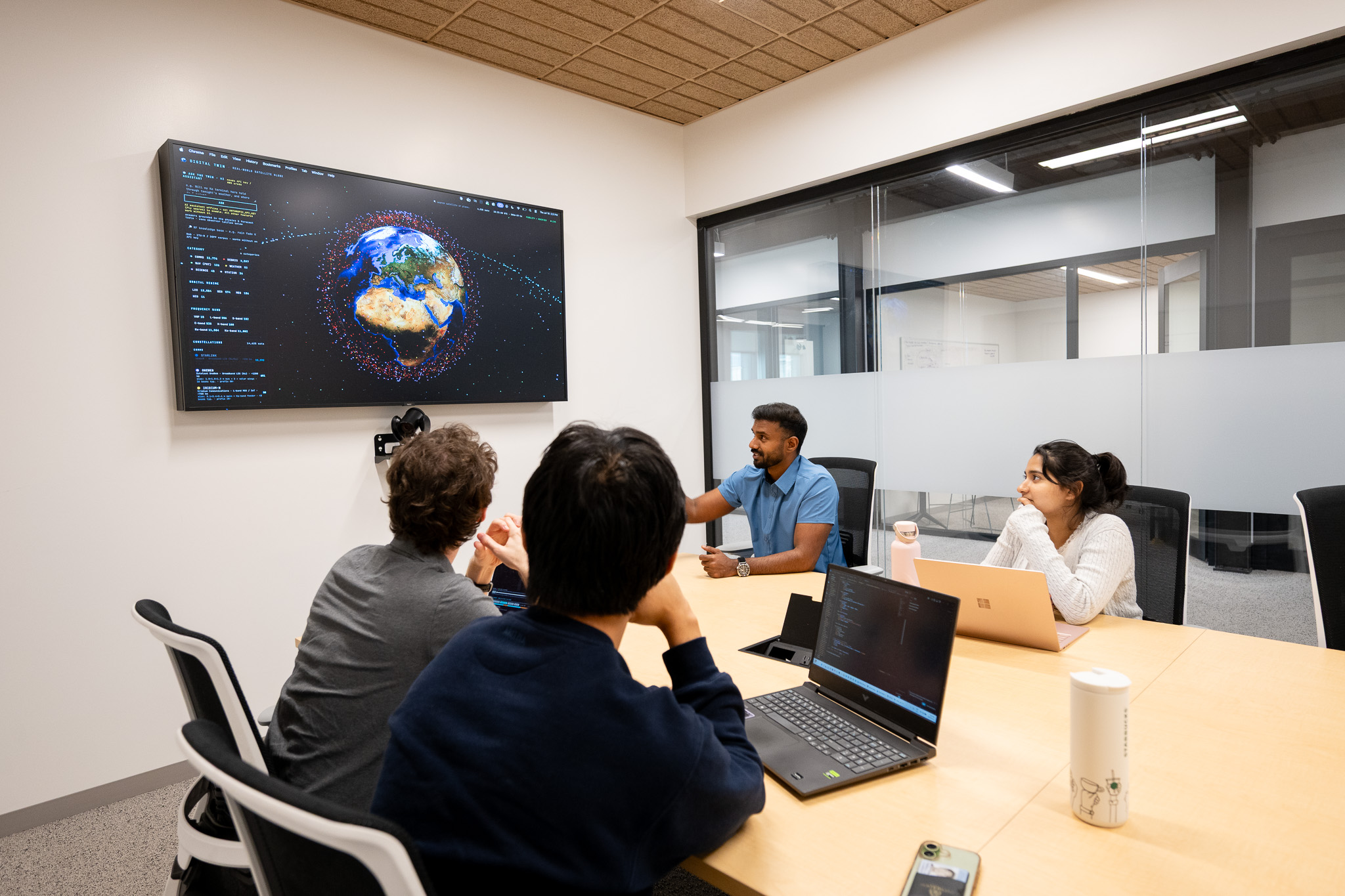
"Connectivity is the nervous system of every military, every modern economy, every emergency response," Kamal says. "The seam between terrestrial and satellite is the weakest link in that nervous system. If we don't fix that, it will bite us."
Canada's Arctic is where that vulnerability is most exposed. Satellite coverage concentrates near the equator, leaving northern regions patchy and fragmented. As Canada raises defense spending and faces growing pressure on Arctic sovereignty, the question of who controls the connectivity later has become urgent.
The core is a single AI prediction engine. It forecasts a signal transition before it happens and negotiates the new path before a device ever crosses the threshold. Twenty-one milliseconds, on a palm-sized edge computer. The user notices nothing. The network never breaks.
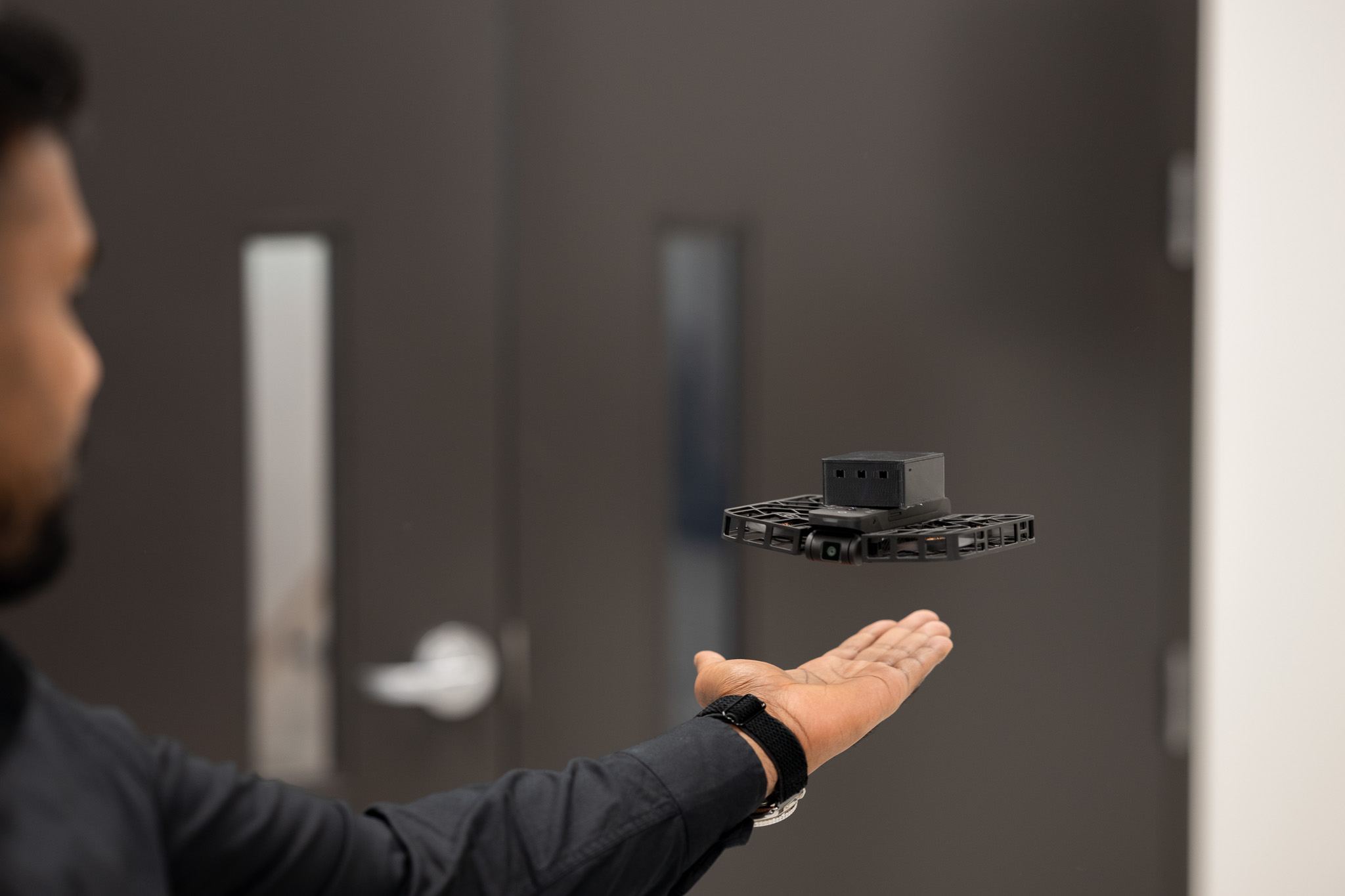
That one engine ships three ways. It plugs into open radio access networks and gives military and government operators predictive satellite-terrestrial handover for missions that cannot afford to drop. Tuned for commercial fleets, it keeps satellite-connected trucks, containers, and industrial sensors sending across terrain with no ground coverage while their batteries last longer. Compressed into a matchbox-sized payload, it lets drone formations stay connected to each other, to towers, and to satellites at the same time, well beyond the line of sight. The module can detect RF jamming/spoofing and can create an advanced mesh against adversaries.
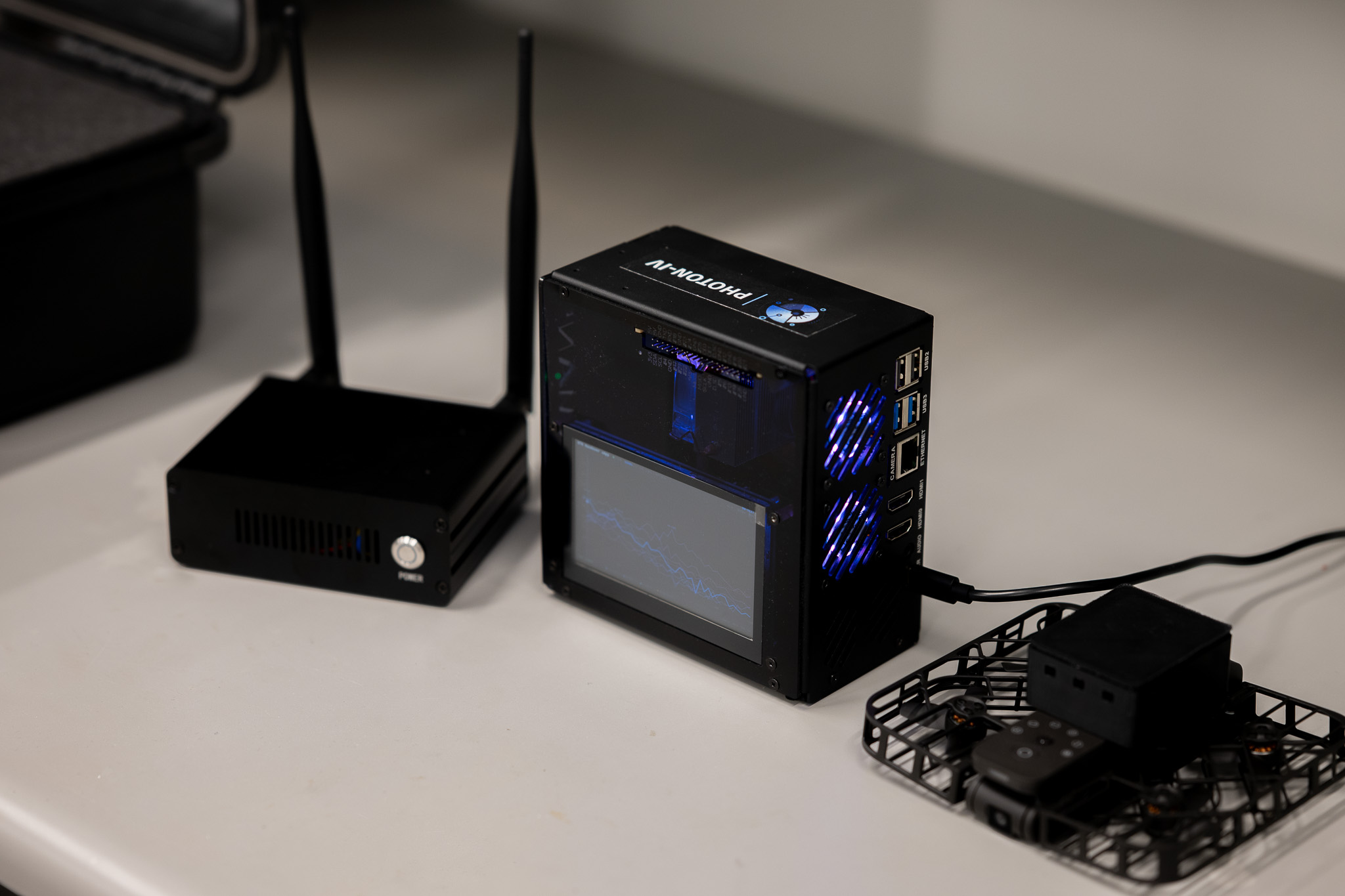
Photon-IV is a defence dual-use solution that is becoming the Air traffic controller for the satellite internet of the future. Multiple patent filings cover the orchestration architecture underneath.
The proof is accumulating. In May, Photon-IV was the only Canadian company testing at the world's largest open-radio-access-network plugfest, hosted at Virginia Tech, on the same floor as engineers from carriers, primes, and national labs across four continents. The company has since delivered on an active Department of Defence contract and tripled in size over six months.
Kamal built the company from a whiteboard architecture and a set of simulations. Finding the right environment to scale it meant landing at the Velocity incubator, where senior technical leads with decades of prime and space experience work alongside University of Waterloo co-op students. That combination of deep domain knowledge and early-career talent inside the same room has given Photon-IV both the rigour its defence customers require and the speed its market window demands.
"Five years ago, a company like this couldn't exist," Kamal says. "Five years from now, the incumbents will have caught up and the window will close. Either Canada owns this layer of the network by then, or we rent it from someone else forever. That is the choice, and I am not going to accept the second answer."
The destination hasn't changed: a connected Canada, securing its own signals, on its own terms.